
Scapegoat
Genre: Hack and slash
Engine: Unity
Key mechanics: Combat and meta progression
Perspective: Third-person
Role: Gameplay and UX designer
Team: 12 people (Designers, Programmers, Artists)
Duration: 4 weeks
Scapegoat is a third-person hack and slash game developed in Unity during a four-week project. The twist? The player wields a self-damaging sword, forcing them to balance aggressive combat with careful strategy. My focus was on designing the combat system, enemy behaviour, and player experience using the MDA framework to guide iterative playtests and refine player engagement.
Scapegoat draws from classic hack-and-slash games like Diablo but in a third-person perspective. The unique self harming sword mechanic creates tension, forcing players to weigh risk versus reward with every swing.

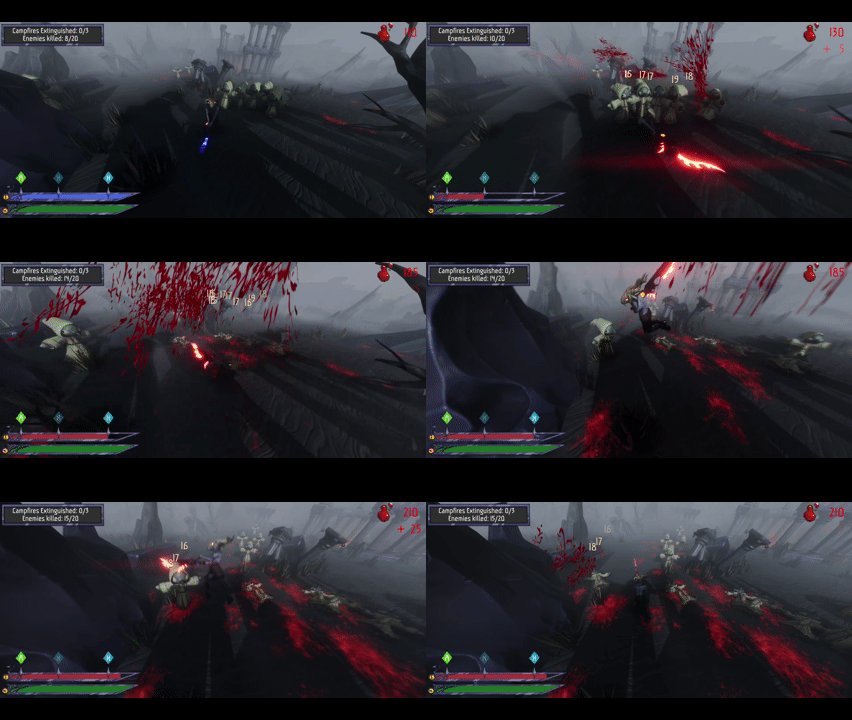
Gameplay highlights.
Combat
Engaging hack-and-slash combat where players fend off hordes while completing objectives. Combat emphasises risk-reward with the self damaging sword.
Meta Progression
Death isn’t the end. Players earn currency to upgrade their sword, balancing growth with the sword’s constant threat.
Enemies
The enemies might not be threatening by themselves but watch out be fore the surround you!
Process
Design pillars
To ensure a cohesive player experience, every enemy, system, and encounter was iteratively tested against these pillars to ensure empowerment, strategy, and solo mastery.
One man army: Players feel capable and self-reliant, tackling challenges alone.
Strong: Combat should feel impactful and satisfying.
Calculative: Encourages strategic thinking, rewarding thoughtful decisions over button-mashing.
MDA
To guide playtests and focus development, I created an MDA framework (Mechanics, Dynamics, Aesthetics). This allowed me to anticipate potential pain points and ensure the systems aligned with our intended player experience.
This framework helped clarify the vision for the game, solidified the combat design, and provided a structured lens for evaluating playtests, ensuring feedback could be applied meaningfully to refine both systems and player experience.

Enemies
The grunt enemy was the primary focus, designed to be trivial alone but threatening in groups. The main challenge was making grunts scary without requiring extreme numbers, since they could not deal too much damage individually. To maximise engagement without overwhelming the player, I created three variants: Chaser, Thrower, and Patroller.
I also implemented adjustable parameters for enemy behaviour to rapidly iterate based on playtest feedback, without diving into scripts each time.

Patroller
Moves along a set path to telegraph upcoming encounters, giving players time to anticipate enemy types and timing. Encourages strategic planning over purely reactive combat.

Chaser
Spawns in groups to actively pursue the player, reinforcing constant movement and engagement. Keeps combat dynamic and tense by forcing players to balance aggression and positioning.

Thrower
Disrupts player positioning and forces strategic movement. Players must prioritize eliminating Throwers to regain safe ground, adding a tactical layer to combat flow.
Playtesting and Iteration
I led structured playtests to refine combat and enemy design. Early tests revealed that the sword’s self-damage mechanic made players overly cautious, clashing with our core design pillar of empowerment. Through observation and feedback, we found that players became overly defensive, which made combat feel boring and unengaging.
Key improvements
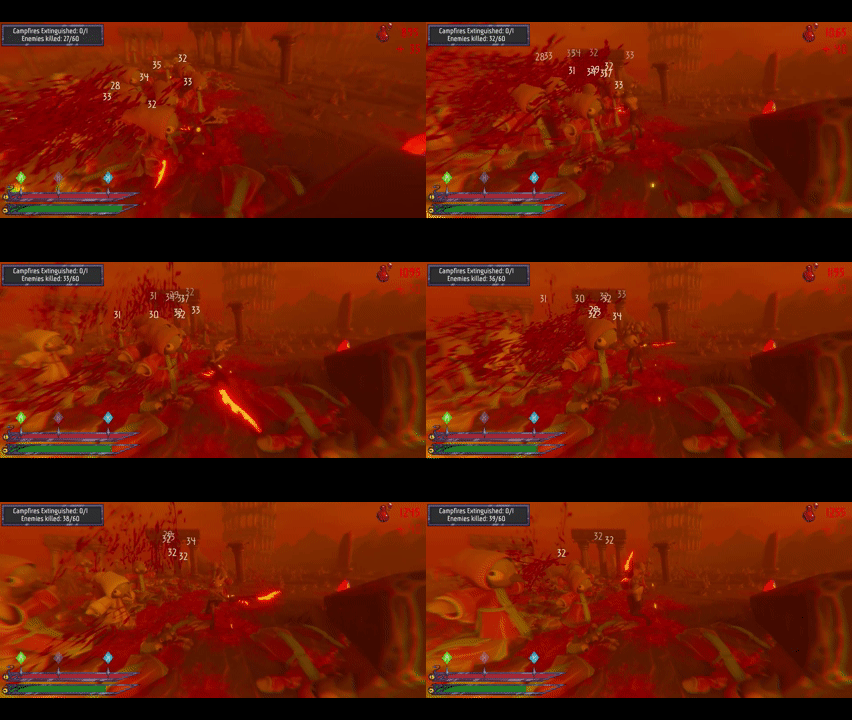
Since combat was central to Scapegoat, I focused on improving its responsiveness and player feedback loop. Playtests showed that players were most engaged when attacks felt impactful and immediate, so I introduced Reward as a counterbalance to the earlier Boring dynamic in the MDA.
-
Refined enemy animations and telegraphs for better readability
-
Added hit effects, screen shake, and impactful sound design
-
Adjusted values for health, damage, and attack frequency to balance challenge and fairness
-
Strengthened reward feedback to enhance the sense of achievement
These changes dramatically improved the combat experience, and made it far more satisfying.


Reflection
Designing the grunt enemies in Scapegoat taught me the importance of balancing variety and scope by reusing behaviour logic across multiple enemy variants. Using the MDA framework and playtesting, I was able to identify key pain points like unengaging “boring” combat. This allowed me to be proactive and clear in what feedback was most important.
Through iterative tuning of enemy behaviour and combat feedback, I ensured encounters felt tense, challenging, and fair while reinforcing the game’s core design pillars. This process reinforced the value of iteration, and making sure you are keeping in line with the vision of the intended player experience.